
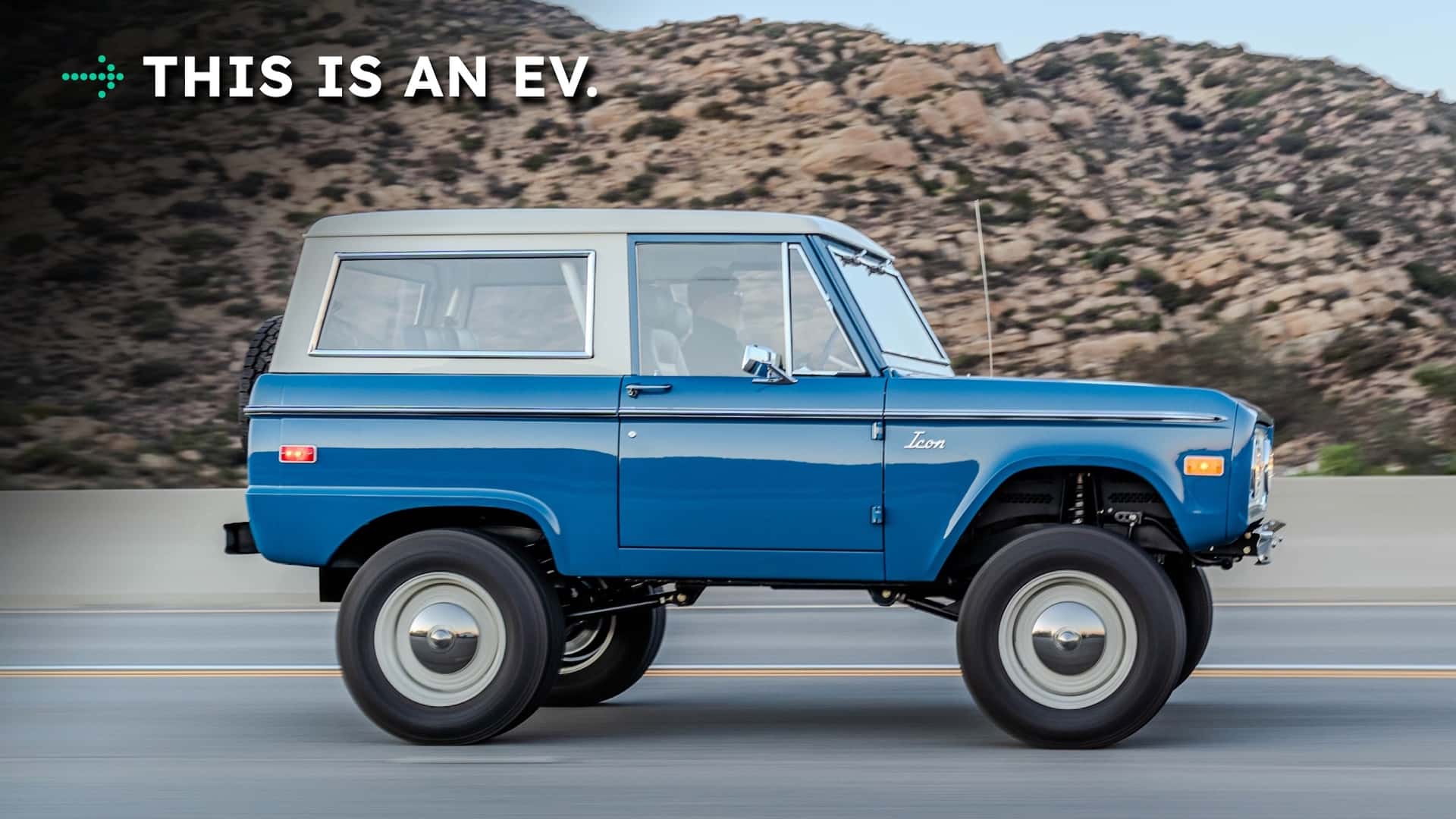
Set aside your previous knowledge of battery-swap electric restomods. The latest offering from Icon, the new Bronco, also comes with over-the-air updates.
There’s no shortage of electric restomods These days, for a sufficient amount of money, companies will readily remove the gas-powered engines and intricate traditional transmissions from classic cars or trucks with rich histories, replacing them with more straightforward (and environmentally friendly) electric vehicle systems. Some automotive manufacturers have begun providing this service. aftermarket options straight from the factory floor, ready for your playful experimentation.
This sector has been established for quite some time, yet as it flourishes, Icon of Chatsworth , California, and Austin, Texas Moment Motor Company are raising the bar. Following thousands of hours of research and development, they have utilized their accumulated knowledge to unveil a series of 10 electric vehicle (EV) Ford Bronco models priced at $449,000 each.
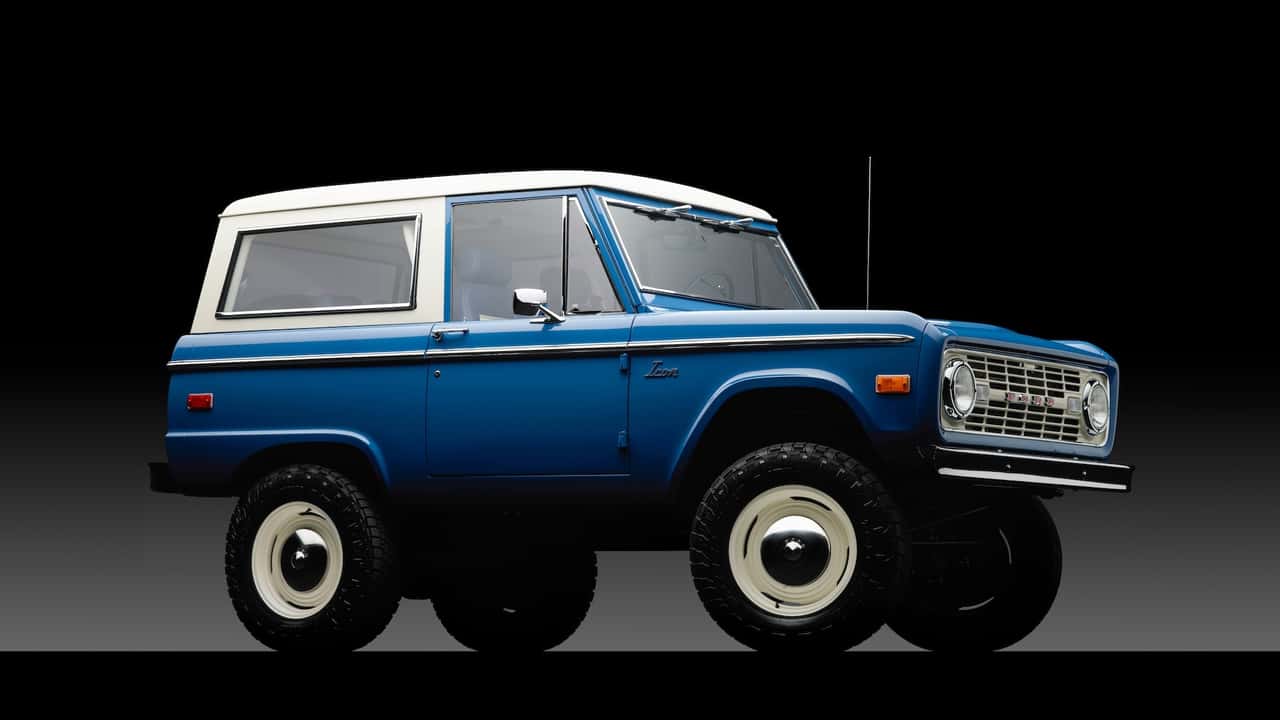
Icon EV Bronco
That’s quite an extravagant amount, to put it mildly. However, the most significant aspect is what Icon has created—a guiding light representing the substantial promise and allure of merging classic toughness with cutting-edge electric vehicle tech. This narrative follows the principle of 'a rising tide lifts all boats,' something I was able to explore further when I sat down with Icon’s Jonathan Ward and Moment’s Marc Davis for insights.
Why Go Icon
If you're not acquainted with Icon, it's a premium brand known for offering extensive customization options. They've gained recognition primarily through revamping classic American trucks, Toyota Land Cruisers, as well as select '70s European sedans. Ward has also emerged as a notable figure within the automotive community. Although their restomod services come at a cost, they are highly praised for maintaining exceptional standards.
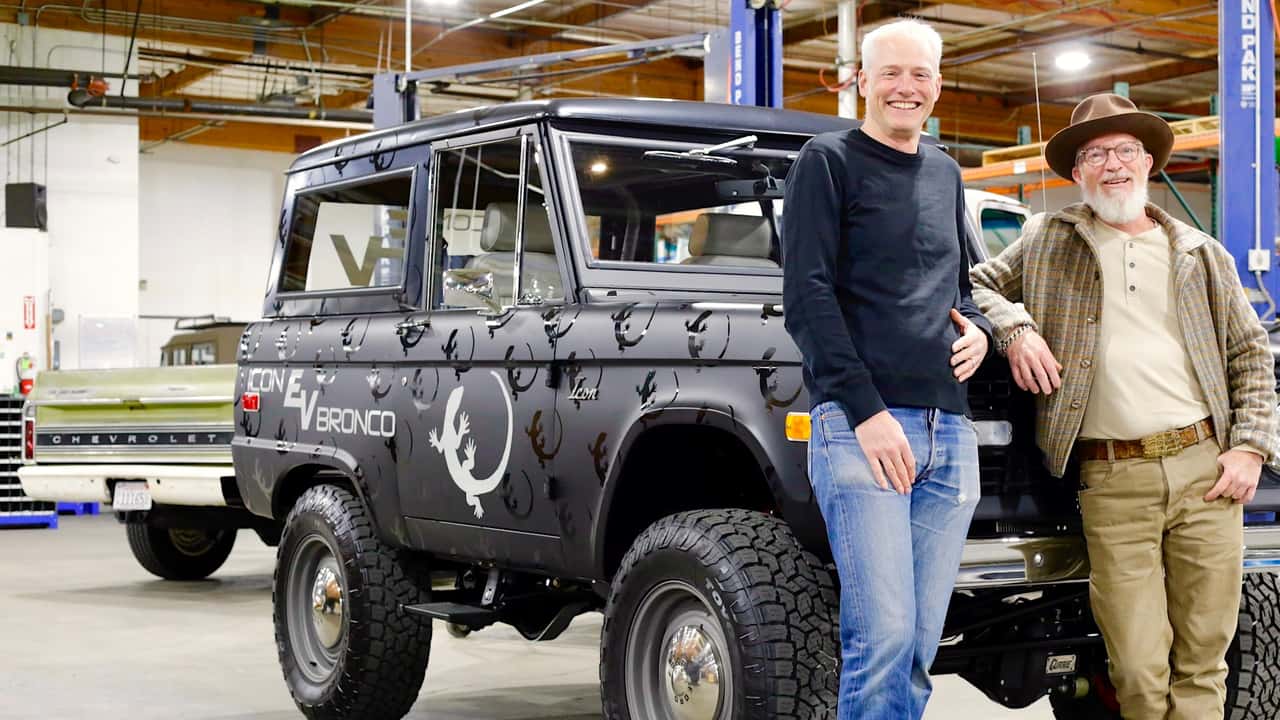
Icon's Jonathan Ward and Moment’s Marc Davis.
The EV Bronco isn't Icon's initial venture into electric vehicles. They've created an occasional custom electrified restoration project over the years, yet they have not managed to fully incorporate such technology seamlessly within their standard lineup—largely because of technological limitations at the time. Throughout these projects, they gathered insights and waited until they could develop a comprehensive electric drivetrain aligned with their stringent criteria and ethos.
"I believe there are concerns about aiming to be first to market. It would be better to focus on being the best to market since so much is at stake," Ward mentioned lately. Instead of going all-in right from the start, why not adopt a more deliberate strategy? He further noted that he had observed quite ambitious claims in various companies' promotional content.
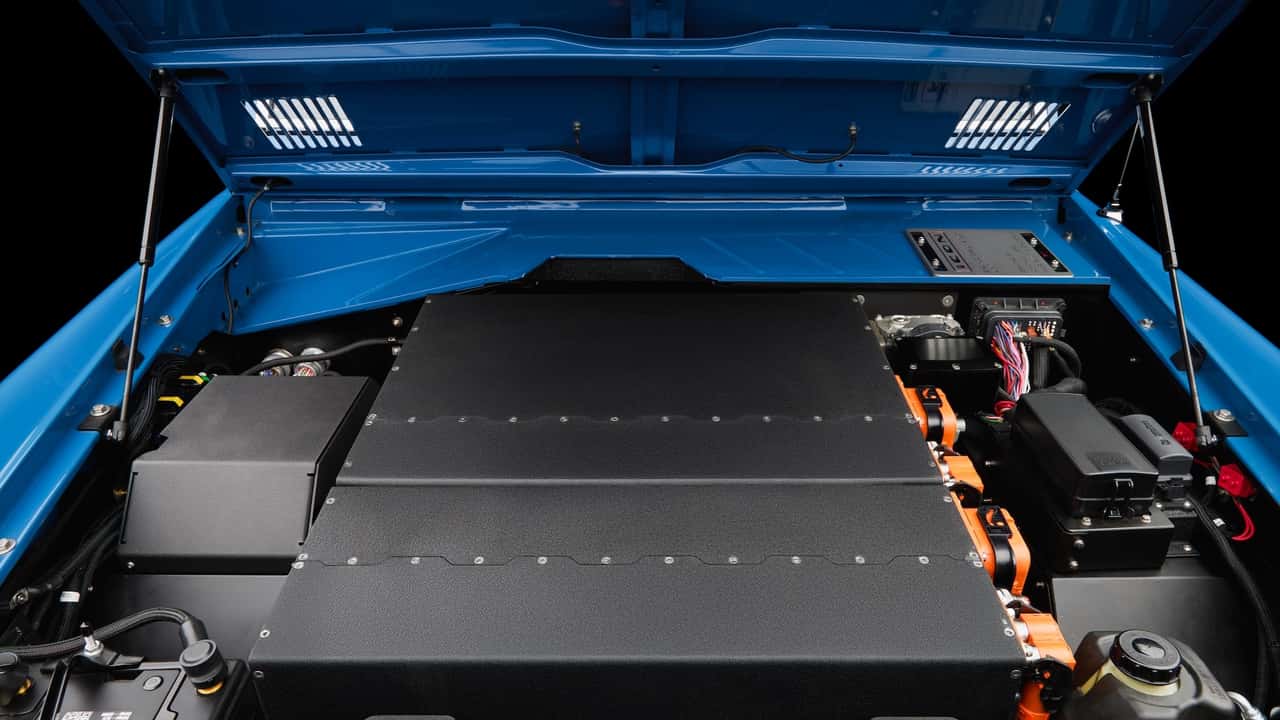
Icon EV Bronco: Inside the Engine Room
As soon as specific technologies, such as custom-made batteries, were readily accessible and other businesses demonstrated their feasibility, Ward decided to join in. This led to forming an alliance with Davis from Moment, where he has gained significant recognition for his commitment to top-notch engineering without cutting corners. Together within this group of experts, they believed they could create a solution that would function effectively along with being highly durable.
"It astonishes me how numerous electric vehicle conversion kits feature a thermal management system equipped with just a small transparent tube containing green coolant driven by a mere 12-volt pump," Ward pointed out, expressing his worries over insufficient thermal control. "Additionally, consider regenerative braking. Imagine charging your car overnight, reaching the summit of a hill, then descending for an extended period—where would all these stored charges end up?" Excessive charge levels can present significant hazards; therefore, thorough and accurate adjustments must be made to prevent this issue, as he stated.
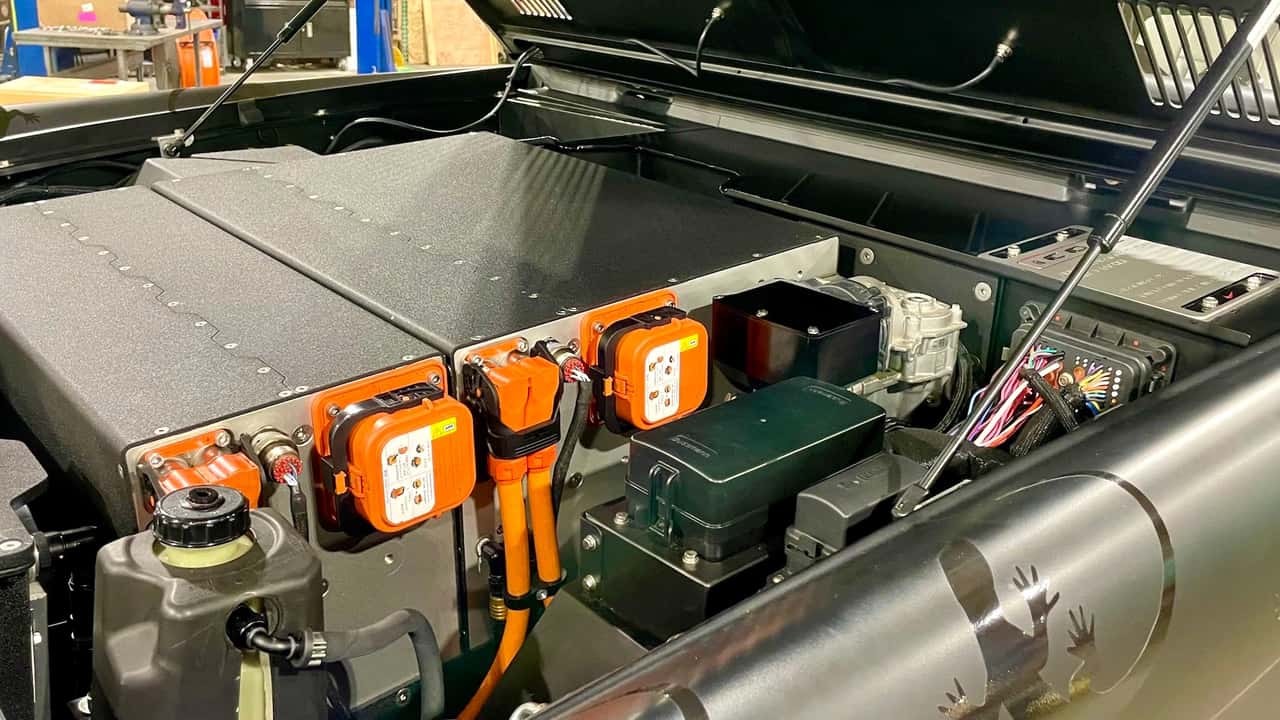
Icon Ford Bronco EV
He then delved into several critical components of his electric vehicle (EV) Bronco plan. "Safety, complete integration, remote software updates and surveillance, comprehensive system coordination, genuine thermal management—are all essential," he explained. "The varying demands on the controller compared to those on the battery and motor result in distinct heating patterns."
The process through which he gained knowledge about everything, assisted by Davis, was far from simple. It involved an enormous amount of effort in designing, addressing issues related to weight distribution, conducting simulations, building prototypes, performing tests, revising prototypes, and repeating the testing phase multiple times. This dedication is evident; I had the chance to not only sit in the passenger seat but also operate the exact prototype featured in these photographs.
The Build
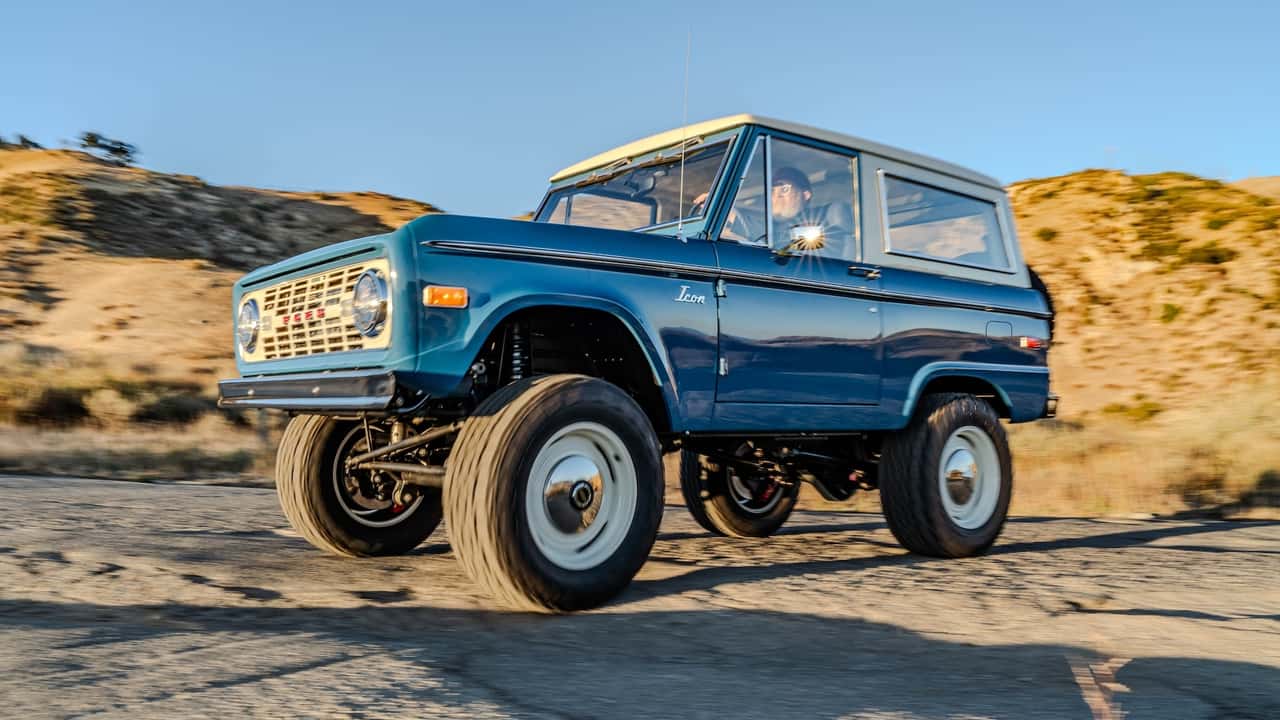
Prior to getting behind the wheel of Icon’s electric version of the Bronco, we took a test drive in its gasoline-fueled sibling. The vehicle boasted premium interior finishes along with a highly refined driving experience. The ride comfort was outstanding, and there wasn’t even a hint of creaks or rattles. Every component felt superior: a solid and confidence-inspiring brake pedal, a delightfully precise shift lever action, and just the right amount of power from the Ford-manufactured 5.0-liter Coyote V8 engine. What truly stood out, however, was its steering; it had a lively feel reminiscent of classic trucks yet offered clear guidance as it maneuvered the substantial SUV smoothly down the highway.
To achieve something similar but using only electron interactions, Icon and Moment adopted a direct method. "When examining the design of the vehicle, it remains based on the Icon platform, maintaining the traditional Bronco feel," explained Davis. Their aim was to merge vintage elements with modern technology, eliminating any superfluous parts in the process—achieving their objective brilliantly.
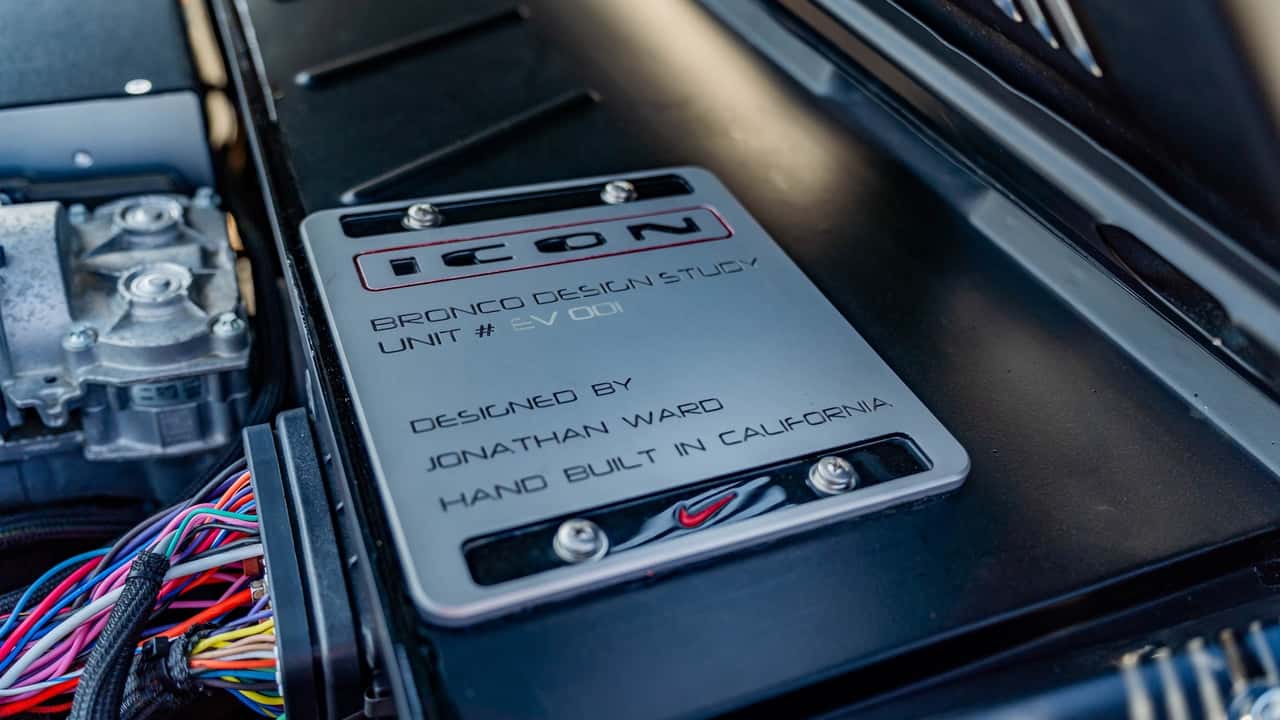
ICON Bronco EV Prototype: Data Label
At the heart of the EV Bronco lies its battery and drivetrain. The battery comes from a leading original equipment manufacturer (OEM) supplier based in Japan and adheres to the standards set by Volkswagen for their ID series, though it has been customized extensively—including having a capacity of 105 kWh. About two-thirds of the battery pack occupies what was previously the space for the engine, while the remainder sits towards the rear beneath the vehicle. This arrangement greatly pleased both Icon and Moment, as it facilitated an ideal 50:50 weight balance from the outset.
The propulsion system features a rebuilt, thoroughly serviced, and entirely enhanced Tesla engine equipped with a new controller, circuit boards, inverter, and additional upgrades. This setup met Icon's requirements for power density, even though Ward preferred using no repurposed components. In his own words, he chose this path because "Nobody can match that motor." The power then flows through a traditional internal combustion engine (ICE) transmission.
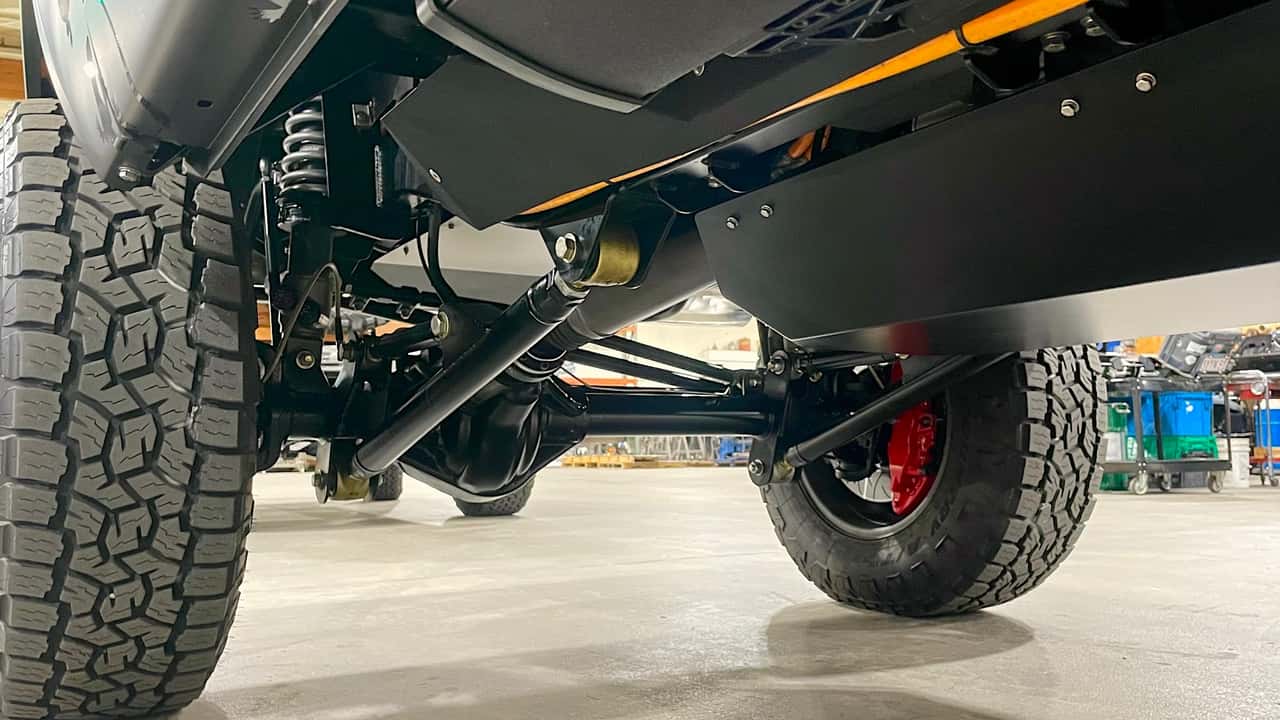
Icon Ford Bronco EV
The engine is positioned at the center of the bespoke Art Morrison frame equipped with a limited slip differential, which distributes power evenly between a sturdy front axle featuring a locking Dana 60 high-pinion diff and a robust rear end fitted with a Dana 44 limited-slip unit. If you wish to maintain a Bronco chassis using straight axles, installing an engine on each axle would contradict traditional off-road practices like extensive suspension movement, superior axle articulation, and other specialized features designed for rugged terrains.
Beneath the surface lies a large radiator featuring two distinct cooling systems—one dedicated to the batteries and another for the engine. Additionally, every wire used is of superior quality, meticulously installed, equipped with waterproof connectors, and designed with future maintainability in mind. This setup would make any electrical engineer thrilled.
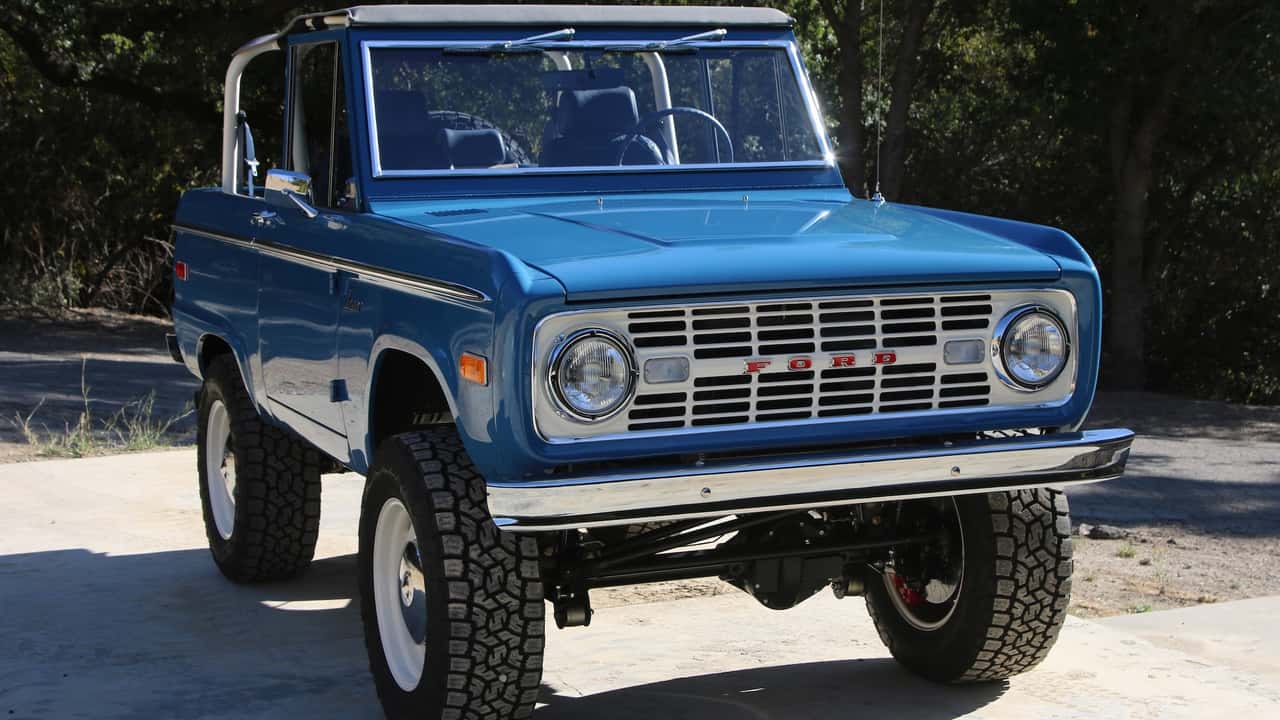
The specifications are very up-to-date. This model features a 400-volt system, delivering 440 horsepower and 500 pound-feet of torque. With an estimated range of 175 to 200 miles (considering its weight of 5,420 pounds), it also supports 6.6 kW level 2 charging and can be charged via CCS DC fast-charging at undisclosed rates.
To monitor operations and provide software updates in the future, every model will come with over-the-air updates, coupled with remote system monitoring that should simplify service procedures for certified facilities. Ward expressed particular satisfaction about incorporating OTA updates into our conversation, noting that Icon can readily transmit enhanced driving modes to guarantee optimal performance while at the helm.
Driving It
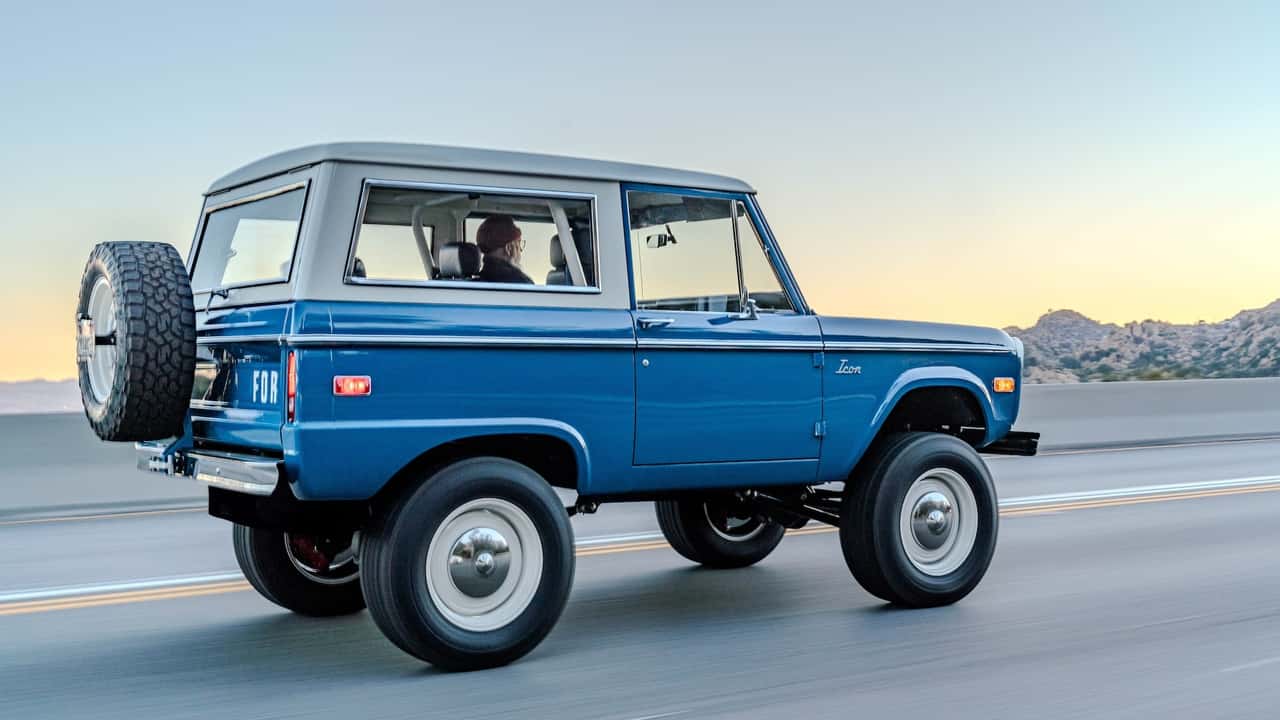
Jumping into Icon’s electric version of the Bronco felt quite similar to its gas-powered counterpart, but there was one notable distinction. Alongside the traditional analog gauges showing speed, additional digital displays provided detailed information about the vehicle’s electrical system, including battery charge level, motor and battery temperatures, and power output in kilowatts, all presented elegantly.
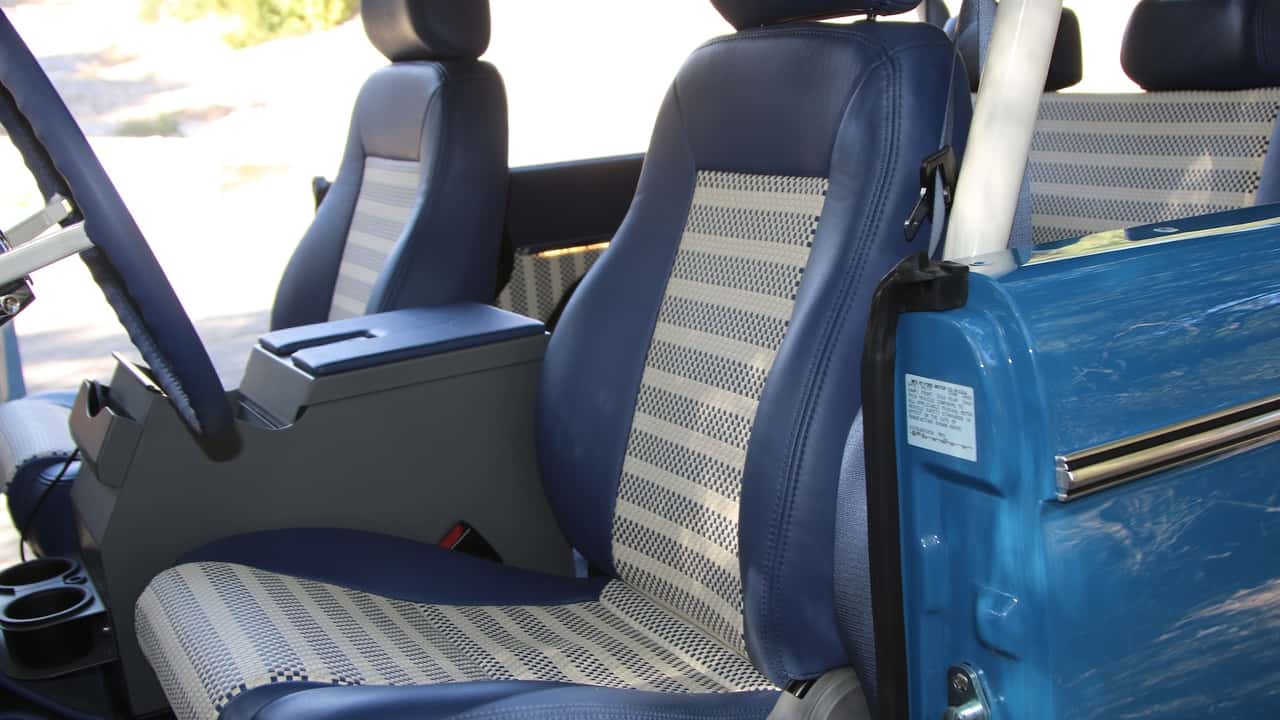
BR EV Front Seats
Activating it involved putting a key into an actual lock mechanism and twisting it; however, the self-returning feature was just for show. To make the electric engine move the big Bronco forward or backward, you would pull back on a classic PRNDL (also referred to as a column shifter, famously highlighted as the hero during '80s police chase scenes). This gearshift offered a slight resistance when shifting between positions.

After setting off, the drive was mostly unremarkable. Similar to the V8 Bronco, everything ran smoothly with no creaks or noises, offering a pleasant and engaged ride. However, the standout feature was the steering: Icon employs an electric power steering pump that circulates hydraulic fluid via a standard steering gear, resulting in exceptional handling. It was lively but assured, mirroring the feel of the combustion engine version once more.
The output, even in its most economical setting, was impressive—quite powerful. Ward and Davis mentioned that fine-tuning the pedal and motor response required significant effort, yet this near-production version performed exceptionally well. It offered smooth power distribution without overpowering the responsive steering and compact, slightly over 90-inch wheelbase which made for an engaging drive.
Then, when Ward got behind the wheel and put it in its most powerful mode, the limited-slip differential out back certainly gave us a piece of its mind as we shot off down the road like a rocket, straight and true.
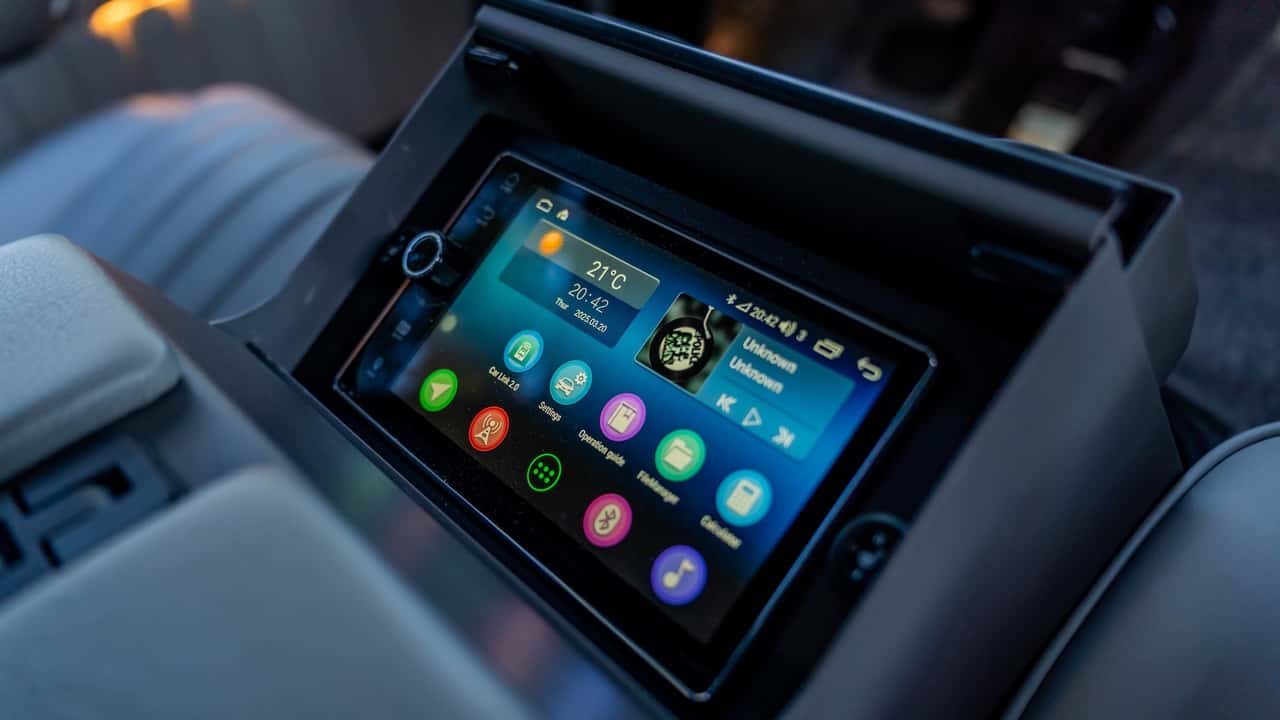
ICON BR EV Mule Center Console Display Main Menu
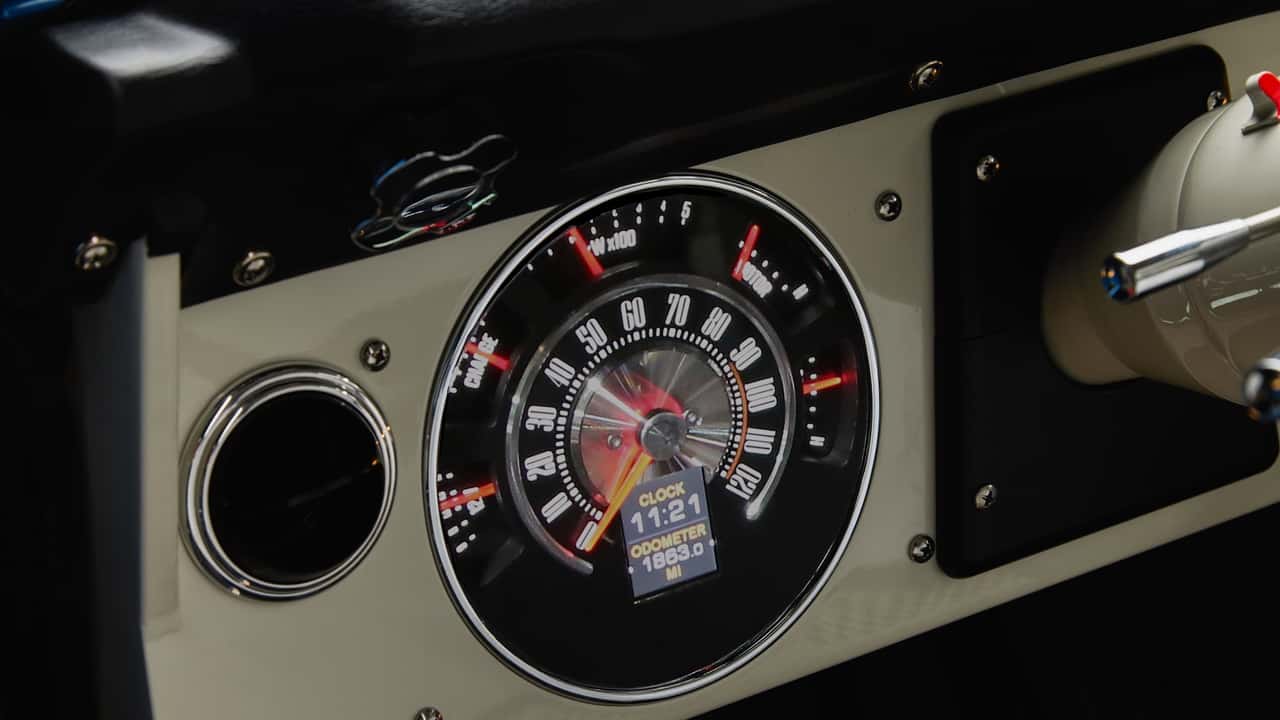
IconEVBronco Interior Gauges ALT
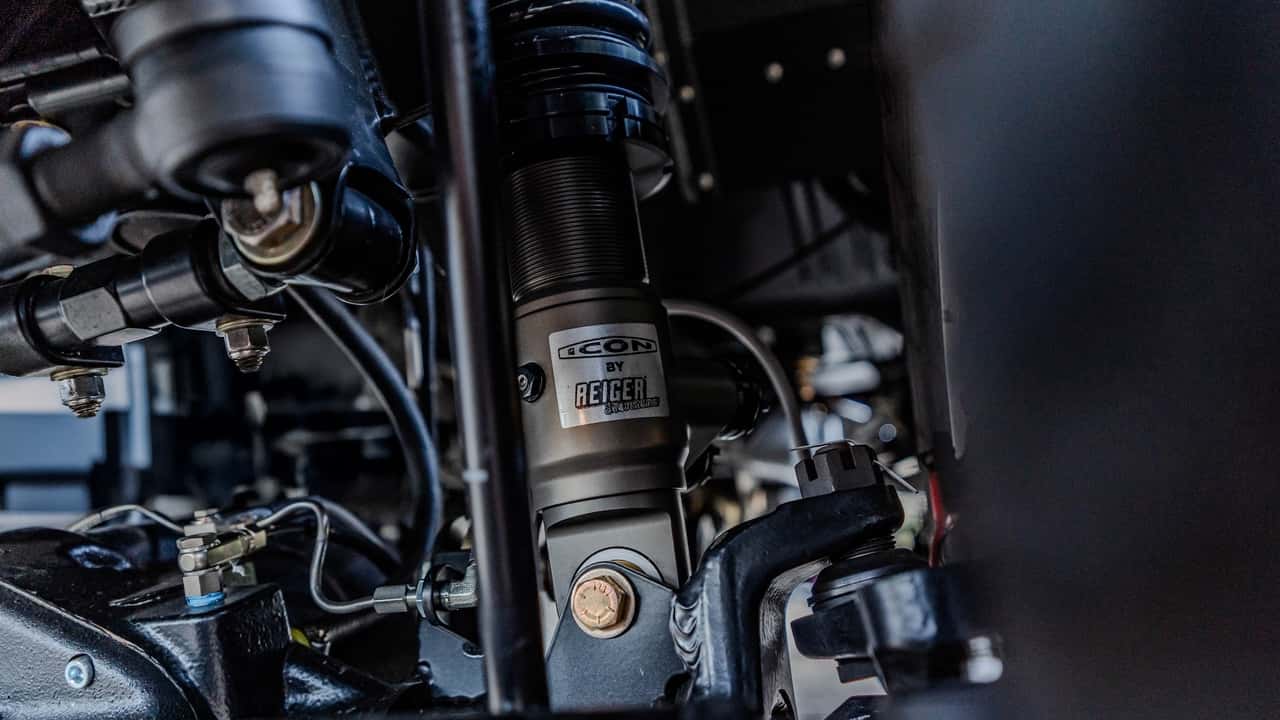
BR EV ICON Suspension Components Details
Ward further mentioned that during its journey covering approximately 2,300 miles, the electric Ford Bronco has ventured onto numerous Southern California Off-Highway Vehicle (OHV) trails—many considered top-notch across the nation—and has navigated various weather conditions. The vehicle includes regenerative braking technology; however, this feature does not activate once the battery reaches near full capacity.
Why It Matters
Icon and Moment have developed an innovative combination of traditional off-road truck aesthetics with cutting-edge electric vehicle (EV) technology. This shows that fans can enjoy both engagement and features like articulation and extensive suspension travel, all within a robustly designed package capable of handling intense conditions and various terrains. Moreover, the batteries are protected by materials adhering to the IP67 waterproof standard, allowing them to remain functional even when fully submerged in water up to one meter deep for as long as half an hour.
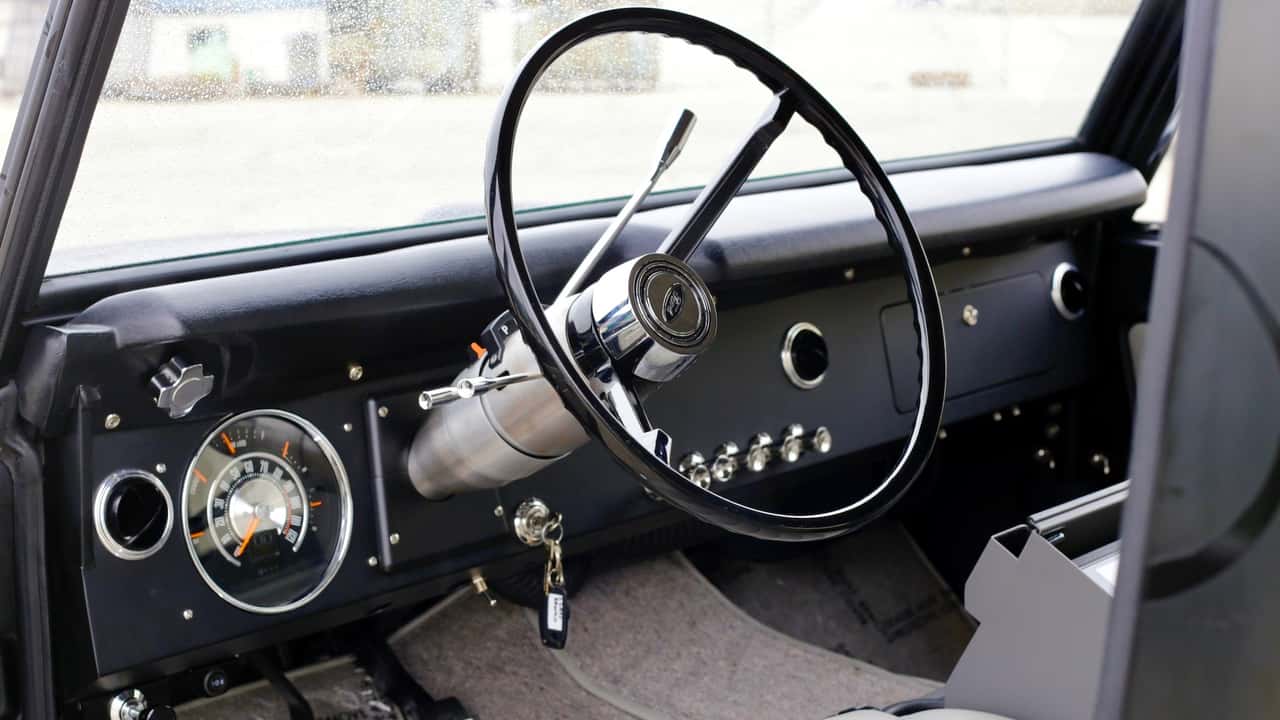
Icon Ford Bronco EV
Between this fascinating marriage of engineering, plus the fact that a lot of the inputs we all savor in such fare are preserved, the future is bright for creating engaging EV experiences. As Icon and Moment are regarded as top names in its industry, there’s a good chance that more shops will dig into the custom EV-powered off-roader space, creating well-thought-out builds that check every box and satisfy our love of driving.

Moreover, it might lead to an increased number of motor, battery, wire, and various component makers providing products for easy assembly, fostering a resurgence in the electric vehicle sector. During my conversations with Ward and Davis, I frequently enquired about their suppliers and the experience of collaborating with them. Overall, they seemed to indicate that Icon was relatively minor compared to larger players—though this dynamic could shift over the next few years. The prospect of supporting American small enterprises entering this field genuinely appeals to me.
Icon has demonstrated that all of its remarkable qualities aren't limited to asphalt or gasoline engines, and that even greater things are still ahead.
Peter Nelson is a contributing author for Motor1 and InsideEVs His work has been featured on The Drive, Winding Road, Car Bibles, HotCars and more.
More EV Conversions
- Electric Ford Mustang Fox-Body Retains the Manual Transmission Converts to Eco-Power
- The Early Mazda Miata Functions Well When Converted Into an Electric Vehicle
- Electric-Vehicle Conversion: 1928 Ford Model A Pickup Transformed Into a Prohibition-Era Electric Truck
- This Tesla Plaid-Driven Cobra Is Ridiculously Fast
- This Hellcat Is Powered by a Tesla Model S Plaid Engine: 'It Matches Exactly'
- Audi's Electrified A2 Restomod Is Smarter Than It Seems